

 Nature
7 Commonly Seen Plants in a Bonarian Garden
Driving around Bonaire, you may be amazed at the beautiful, colorful gardens you see.
The first question you might ask is: why are all the gardens surrounded by a wall or fence, including at the front. This is different than the normal North American residential home. The reason for this is that Bonaire is very much “the countryside”. Wild donkeys and goats roam the street and will devastate any garden in a very short time.
The second question is: with such a dry climate, how do people get their gardens looking so lush and colorful? There are those who use fresh drinking water to water their garden daily. Our fresh water is desalinated from the ocean and is therefore quite expensive. Others have septic tanks divided into seperate compartments. They hook a pump up to the third tank (grey water), and use this water for their gardens. Finally, those living within 500 metres of the western coastline are hooked up to a waste water treatment plant. This filters out the sewage and the treatment plant resells the grey water back to the home owners.
Which plants are commonly seen in Bonaire gardens?
The Flamboyant tree is perhaps the most stunning. Requiring a large yard, this tree grows rapidly and creates lots of shade. Generally blooming only once a year, the tree becomes a spectacular display of bright red-orange flowers and delicate, fern-like leaves, which can give the tree an umbrella-shaped crown.
Bougainvillas have tiny white flowers, surrounded by petals of vibrant shades of pinks and peach. They are the classical option for a tropical garden. Beware, they have small thorns that either you or your gardener will come to hate.
The Bonaire Oleander is actually a member of the frangipani family. It has long skinny dark green leaves and seems to be perpetualy in flower. Many a neighborhood is enhanced by the beautuiful white flowers peaking over the fence. Other types from the frangipani family, with pink, peach or yellow flowers are also commonly seen.
Oleanders are commonly used as a privacy screen. They can grow very tall, up to 20 feet in height. They do not require a lot of water and their beautiful bright flowers bring color to many gardens. It is a highly toxic plant so it’s best not to get the sap on you or leave a puppy alone with them.
Aloe vera is a succulent herb with thick, fleshy, grey-green leaves that grow in a rosette and are edged with small, sharp teeth. Its leaves contain a clear, gel-like pulp used in various medicinal products, famously for soothing burns and skin irritation. Locals will recommend drinking an aloe vera tinture, or smearing the gel onto a burn or cut for seemingly miraculous healing. Every garden should have one.
Fruit trees are another popular options in gardens. Those with large yards may have a huge mango tree providing lots of shade cover. Papaya, avacodo, banana and soursop are also popular options.
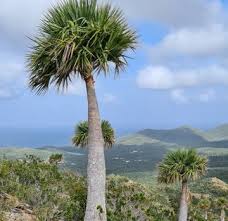
Finally, for many residents, a tropical garden is incomplete without at least one palm tree. There are many types that can be seen across the island including the coconut palm and the royal palm. The Sabal Palm tree is the only palm native to Bonaire and is a unique, critically endangered palm species.
Inspiration for Your Own Bonaire Garden
Whether you’ve just relocated or are dreaming of island life, creating a Bonaire garden means working with nature, not against it. Start with native plants, plan for shade, and embrace the rustic beauty of drought-resistant design. And remember, gardening here isn’t just about growing plants; it’s about connecting with the island’s rhythm and respecting its delicate environment.
About Bonaire Insights
At Bonaire Insights, we help newcomers and visitors understand and enjoy island life, from finding the right home to discovering local traditions and natural beauty.
Ready to learn more about living green on Bonaire?
Join one of our relocation tours or contact us today to develop a deeper connection to Bonaire!
Comments are closed